


The Project

The International Maritime Organization (IMO)-led GloFouling Partnerships and the TEST Biofouling Projects have joined forces to create a unified global initiative against marine biofouling
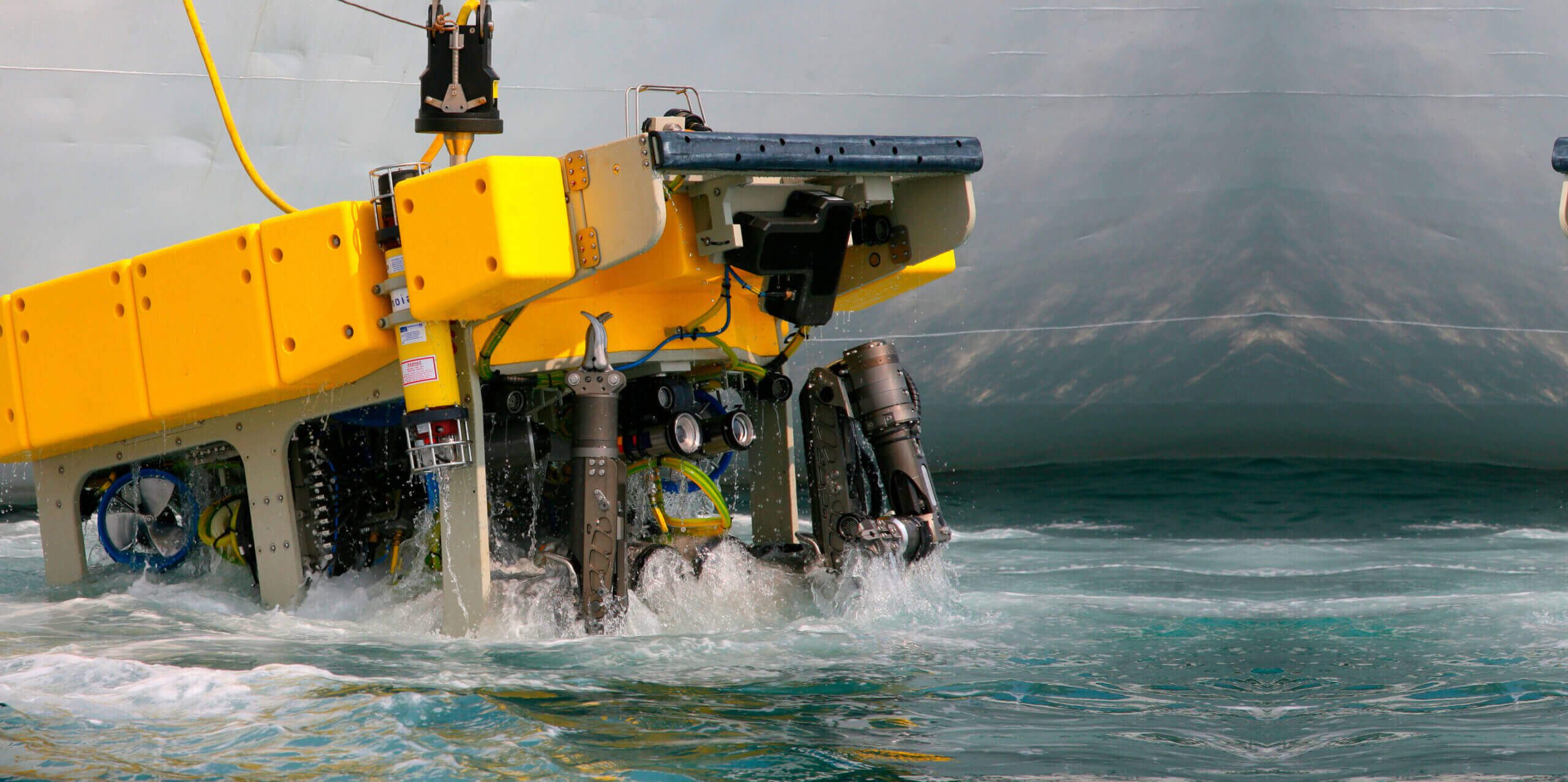
By combining strengths, the projects deliver both innovation and capacity building, the TEST Biofouling project demonstrates cutting-edge, sustainable technologies through pilot projects in developing regions, while GloFouling Partnerships built the capacity of countries to implement the IMO Biofouling Guidelines and reduce the spread of invasive aquatic species.
Together, these two complementary projects support Small Island Developing States (SIDS) and Least Developed Countries (LDCs), promote energy efficiency, and advance best practices across shipping and other marine sectors-protecting oceans and ecosystems worldwide.
Read MoreBiofouling increases surface roughness on ship hulls, creating greater hydrodynamic resistance and reducing propulsion efficiency resulting in higher fuel consumption and greenhouse gas (GHG) emissions. At the same time, biofouling is an increasingly recognised vector for the spread of invasive aquatic species (IAS), which threaten marine biodiversity, coastal ecosystems, and local economies.
While ballast water management has long been the focus of international efforts, scientific evidence points to biofouling as a pathway requiring stronger controls. Effective biofouling management is therefore essential both for protecting marine ecosystems and meeting IMO energy efficiency targets.
The Issue
The Issue
Announcement
GloFouling Partnerships concluded in 2025. TEST Biofouling continues through the end of 2026.
After 6+ years of impact, the GloFouling Partnerships Project concluded in May 2025.
To continue the momentum, the TEST Biofouling Project has received a no-cost extension until December 2026.
Latest News
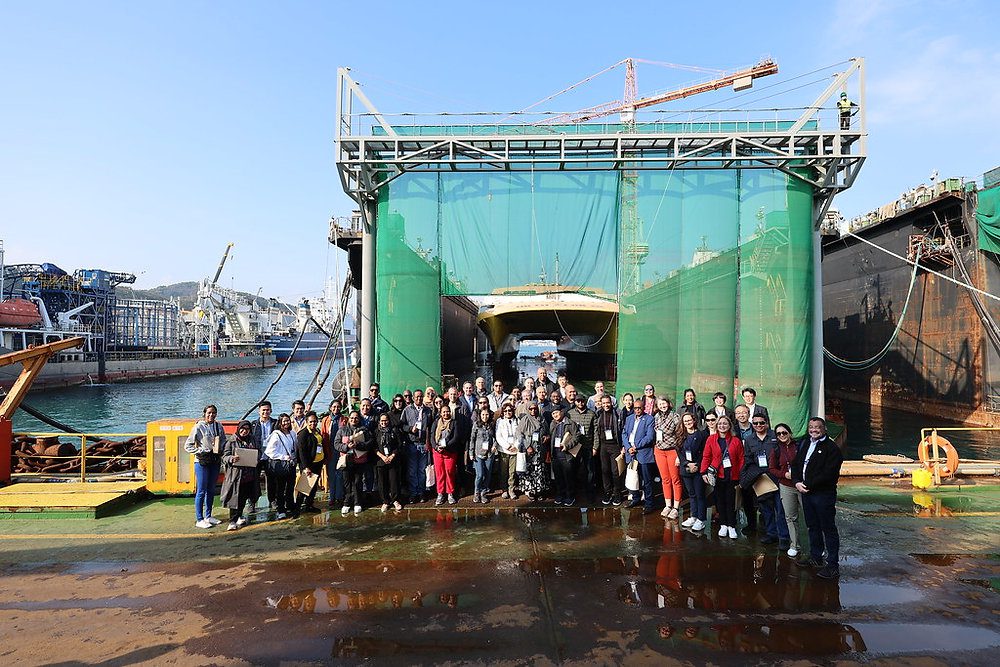
Celebrating 6.5 years of global impact as the GloFouling Partnerships Project comes to a close
READ MORE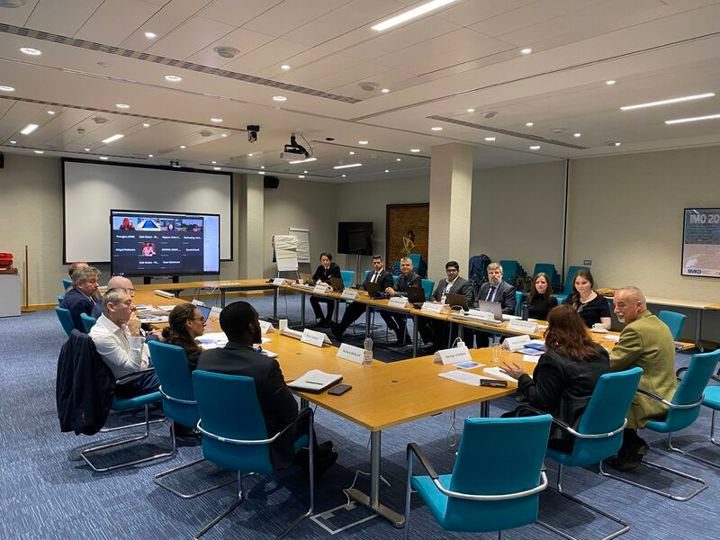
The IMO Global Industry Alliance (GIA) for Marine Biosafety: A model for UN–industry collaboration in ocean governance
READ MORE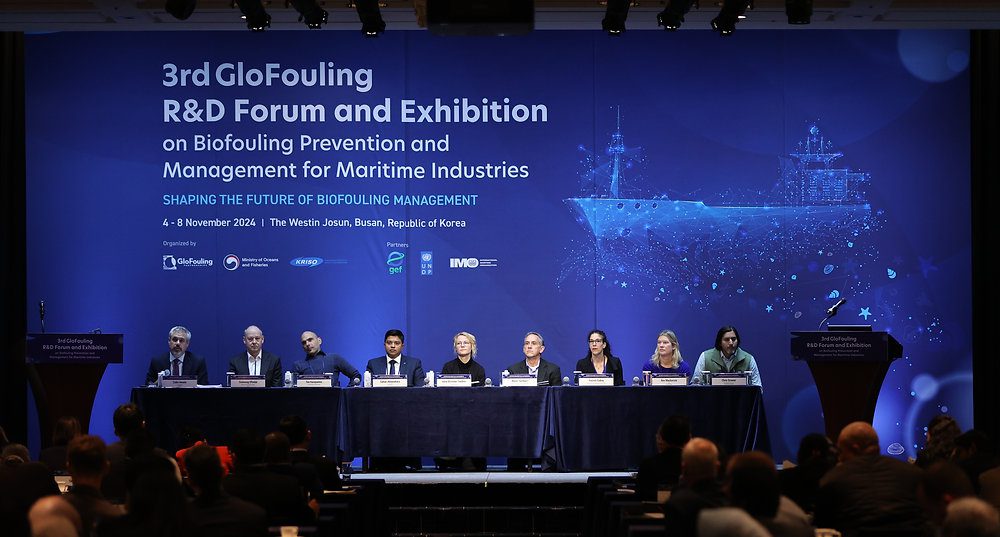
3rd GloFouling r&d forum and exhibition
READ MORE
The Philippines leads biofouling management awareness event at BEACON 2024
READ MORE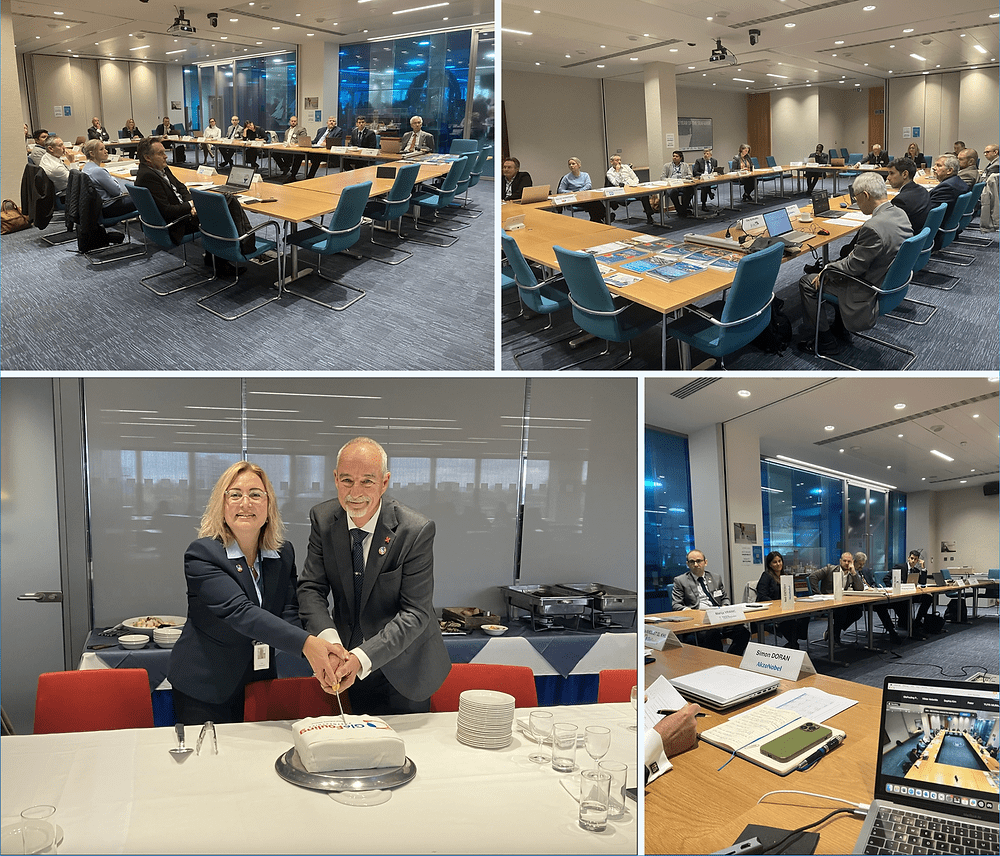
Global Industry Alliance gathers for penultimate meeting under the GloFouling Partnerships Team
READ MORE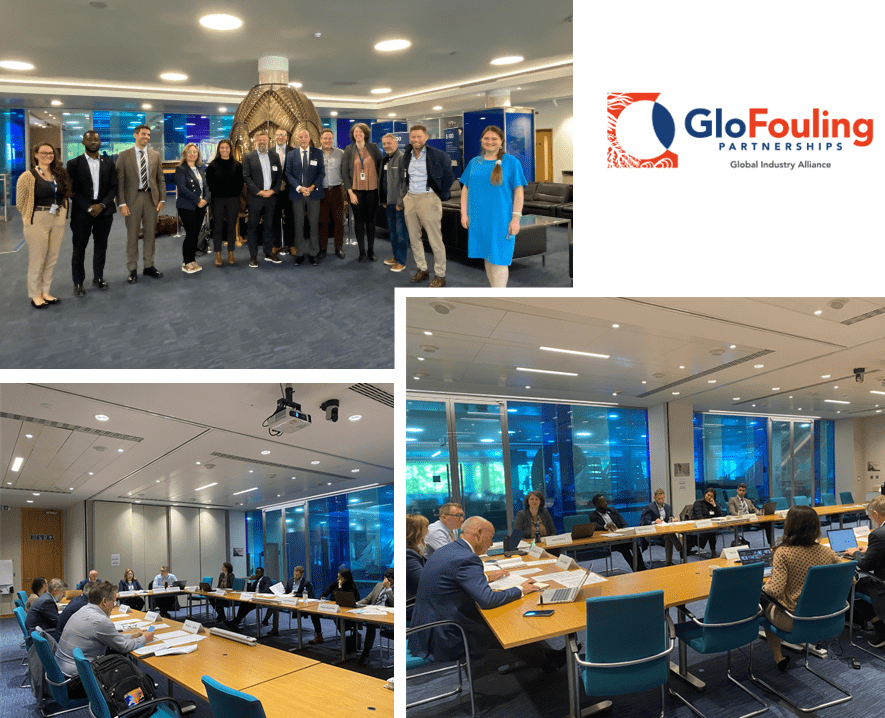
Global Industry Alliance re-elects the chair and elects first vice-chair
READ MORE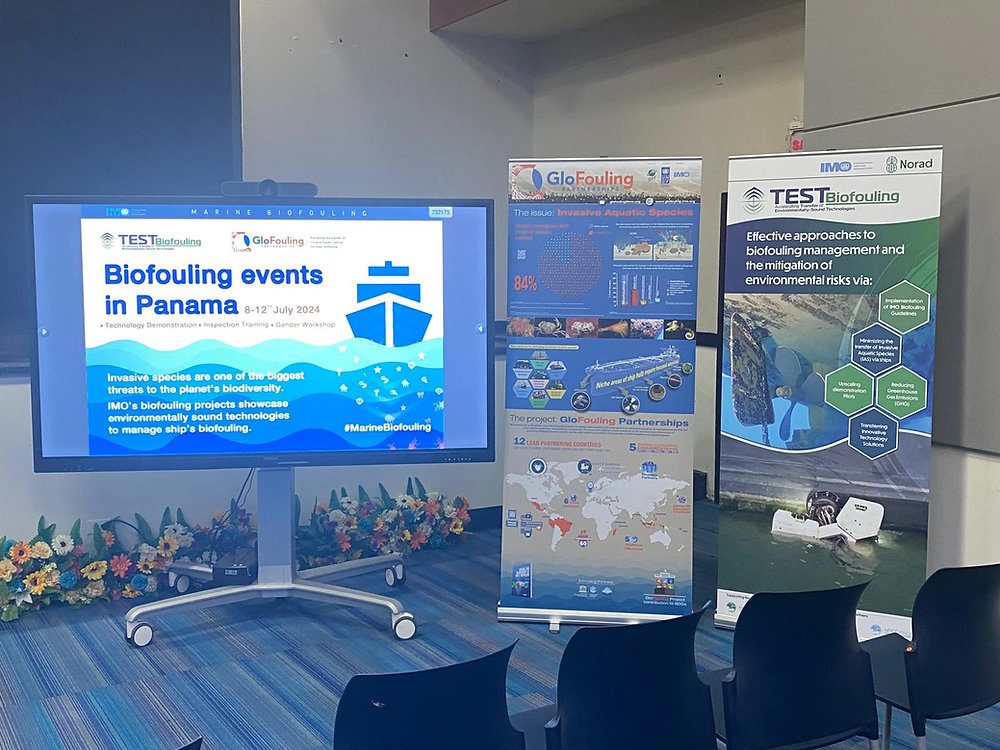
Biofouling focused events in Panama
READ MORE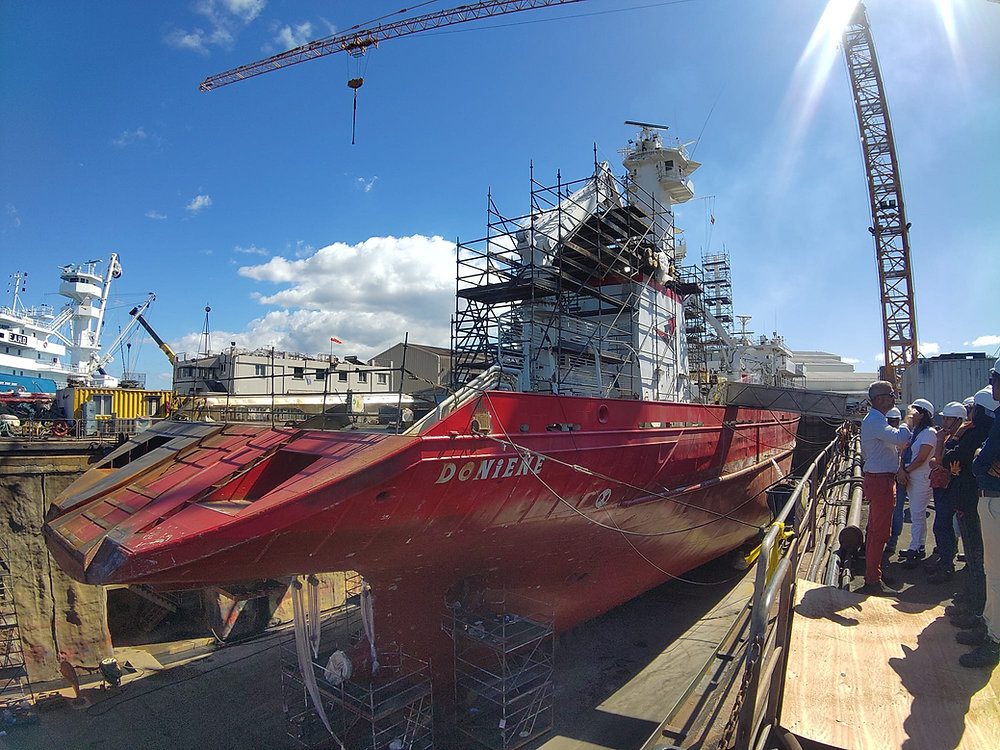
Pilot training on dry-dock operations for biofouling management
READ MORE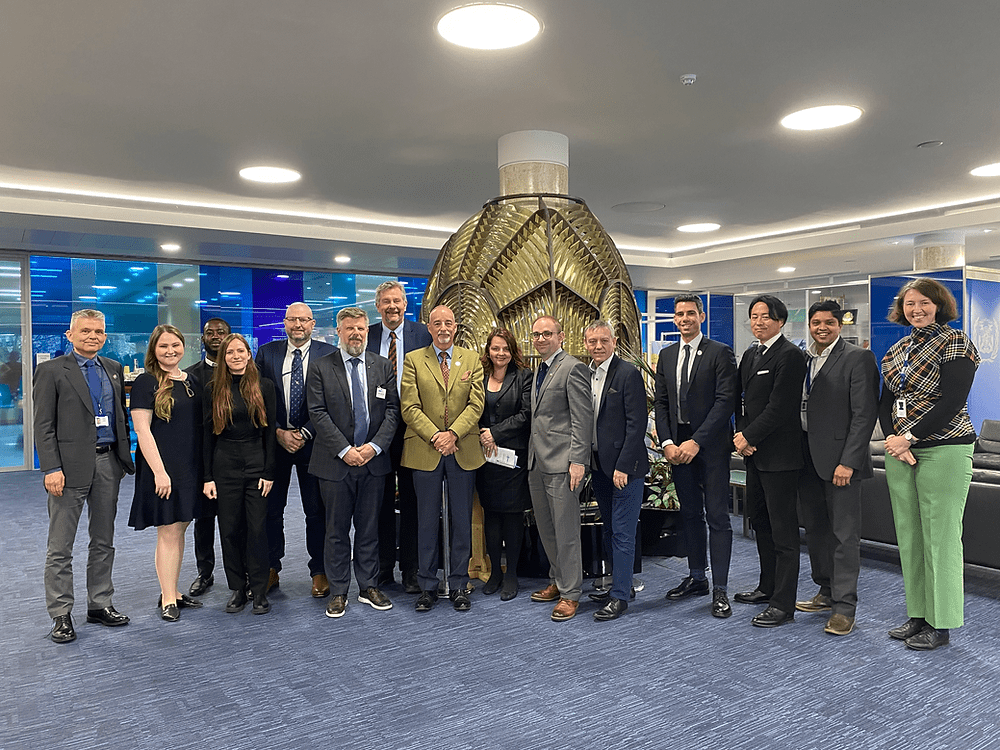
Global Industry Alliance ongoing work and plan ahead
READ MORE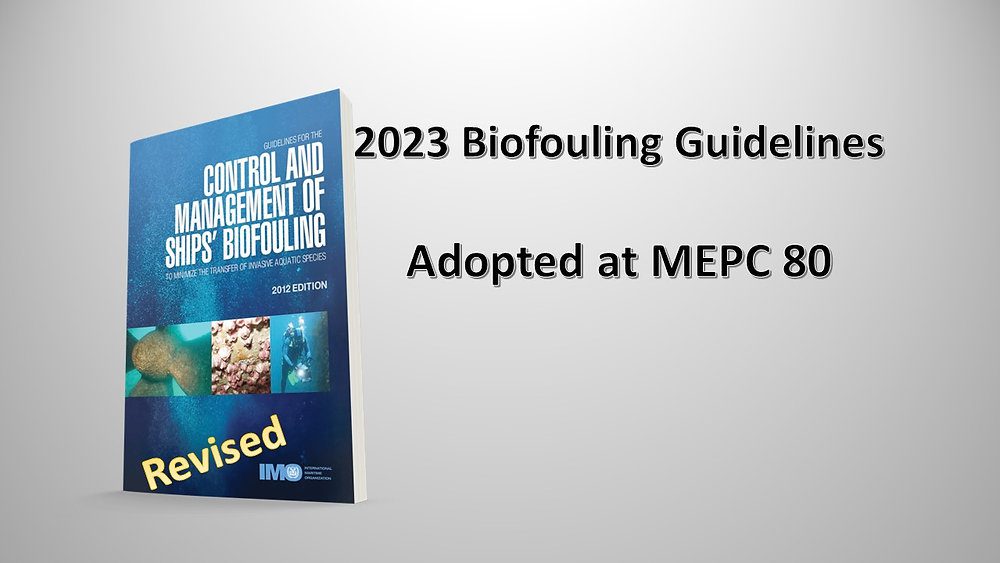
2023 IMO Biofouling Guidelines
READ MORE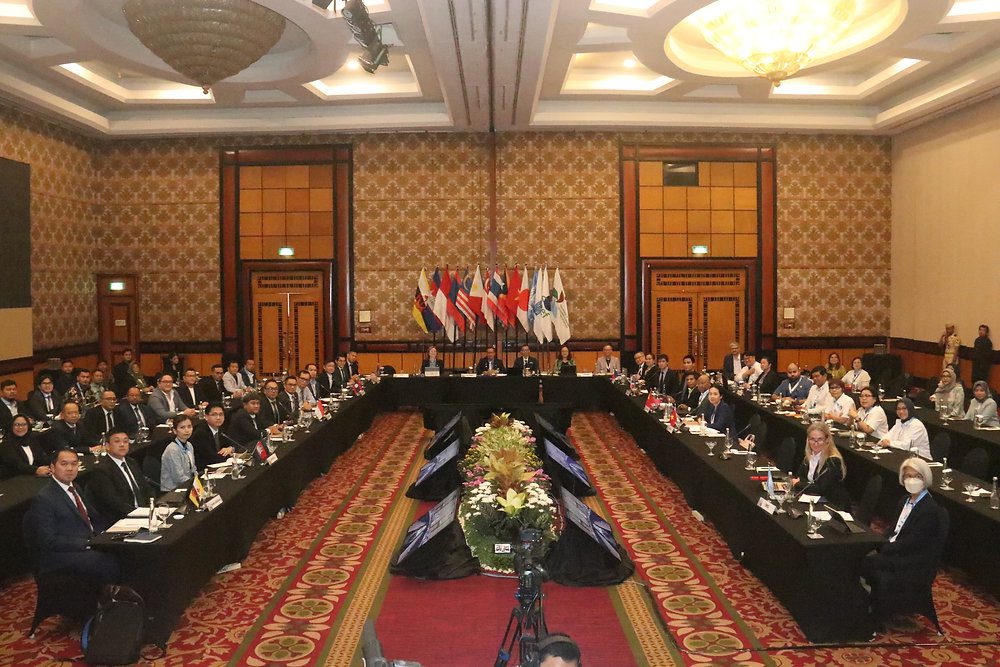
Regional strategy on biofouling management endorsed in East Asia Sea Region
READ MORE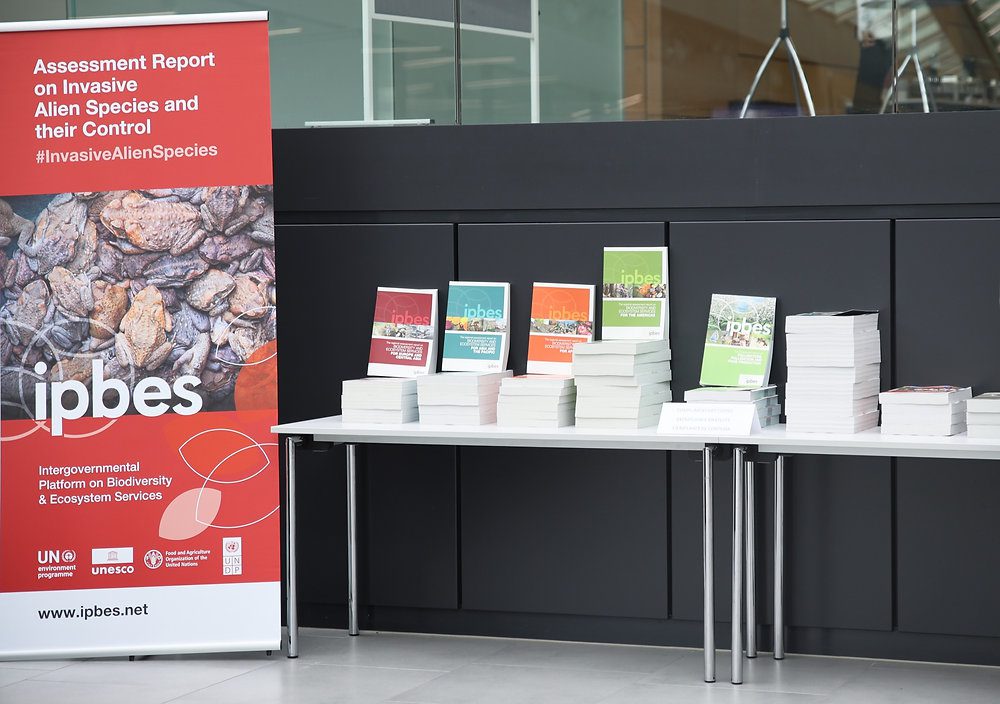
Invasive species have contributed to more than half of all global species extinctions in modern era
READ MORE